• Skip to primary navigation
  • Skip to main content
  • Skip to primary sidebar

Treesouls

  • About Us
  • Contact Us
  • The Green Team
  • What we do

Life: Then and Now

June 14, 2008 by 6 Comments

June. The transition month. Gusts of wind invade the still and sweltering sauna heat of May. Little candy tufts of white cloud scurry across deep blue skies increasingly painted over by a dull grey as the days go by. Dry heat gives way to wet warmth. As the winds of change blow in from the south west, the first sprinkling of cool, cool water soaks the ground and wafts in the earthy smell of fresh mud.

THEN
Small droves of city pigeons pirouette above in patterns spiralling inwards till they settle back on their rooftop perch. Mynas announce their happiness to the world at large in fluted tweeting rhymes. Myriad varieties of sparrows hop and skip on the tree branches twittering away mindlessly. High up way above where any creature has the right to exist, the eagle meanders in seemingly irrational patterns. But look closely.

The wings spread wide and held firm he glides with the strong upper air currents. A sudden gust of wind and he swoops down like a falling stone, like a bungee jumper he seems to smash into the warm earth below before miraculously straightening up and he is back up into the currents. Now with a little grub dangling from his beak.

The first rains also call up so many members of the hither unseen insect community to attend the annual congregation in the world above. Suddenly the rocks are covered with thin dabs of tomato sauce each flowing down its own path. Thousands of maroon centipedes celebrate their existence scurrying here and there. Prod one with a little twig and he curls up immediately, playing dead. Joining the party soon are the black and silver striped ones who are bold enough to explore the crevices and gaps in the doorways and windows of our house. And of course the earthworm; painted like the flag of an African nation with shades of purple, orange, red and silver it lies in its shallow burrow and grows fatter and fatter day by day.

The year is 1986. I am in my early teens and as usual at the start of another school year. School is just 5 km from home. Putting on my windcheater, I wheel out my Hero cycle from the garage. Feet firmly planted on each pedal, I bulldoze my way up the 45 degree incline in front of home only to sail down the other side and onto the main road. 8 am. The road is smooth and slickly black. The wind and fine spray caressing my face I pedal my way past the Paradise signal and onto the mighty 3 lane x 3 lane Sardar Patel road.

A couple of RTC buses over take me on the right before pulling into the Anand Theater stop. The road is dotted with our national car – the Ambassador, a few Padminis, the new challenger – Maruti 800 and some yellow autorickshaws. At the Police Lines signal we all stop at red, maybe four or five rows of vehicles. I am in the midst of it and keeping to my straight path as is everyone else. Up the steep incline and down past Begumpet airport and I turn off into the school gate at 8.20 am. Not bad for a cycle. It is not much different on the way back and I am soon home by 5 pm after a pulsating game of football on the water logged school ground.

The sky has darkened menacingly and brings down a heavy pelting of rain. Streams of water flow down the sides of the road in front of my house. Small gutters have been burrowed into the earth there and crystal clear streams of water flowing down the slopes of the plots of land beside and behind our house collect into these and flow down towards the main road. Just like the streams flowing down the Western Ghats or Himalayas before forming one of our mighty rivers.

As the rain subsides to a steady drizzle, me and my friends are outside launching little paper boats into the rain water gutter. Like aartis floating on the Ganges at Haridwar these little boats of note paper may drown a quick death if not properly constructed or placed. Some of them are grounded further downstream as they hit a twig or fallen hibiscus or leaf. Both these are then picked out and deposited back into the garbage can in the house. The lucky ones sail all the way to the road each helped along by a running boatman whose job is to clear the path ahead and steer where necessary. These often sailed into the deeper waters on the Picket Main Road before the stream plunged into the cantonments storm water drain and was soon lost to sight forever. A short walk follows to the nearest kirana shop to exchange my weekly Rs.1 allowance for a bar of Rajaram chikki. This chikki is invariably consumed by the time I reach home only to throw the empty wrapper into the garbage can.

Now energised, we begin our forest trek on the steep vacant plot beside the house. The red earth sliding beneath our bare feet, we grasp the shrubs and small trees and make our way up to the top. A thick undergrowth of shrub near the top provides shelter from the rain and also hides us from sight of anyone passing on the road below. After a half hour of spying, we cut across the slippery face of the hill to reach the compound wall of my house. Clambering over the wall we drop into the garden and make our way to the guest bath room to clean ourselves of the fresh red soil clinging onto our feet and shorts.

After a cup of hot milk my friends bid good bye and walk back to their homes. Another exciting June day comes to a close as the lights came on at home.

NOW

The steady gurgling of pigeons on the roof greets us as we step outside. A couple of city crows forage in the garbage litter across the road. Mindless of our presence they peck and dig deep into the pile of refuse satiating their gluttony. Plastic bags, plastic tea cups, plastic bottles, paper cartons, cigarette packs, paper plates and plastic spoons with gooey remains sticking to them, shattered glass of beer bottles…… Transparent, translucent, opaque. White, black, multicoloured the plastic is everywhere on the rocks, on the semi wooded slope of the only open plot remaining in this colony.

A sudden gust of wind and a single transparent plastic bag lifts up and glides along with the current before plummeting down into the only tree remaining in front of my living room window. It hangs on the branch inspiring memories of the flowers which once were…. Like the single note of paper that was carried by the swirling winds at the end of the movie “Forrest Gump”, this single plastic bag conveys the understanding, thoughts and actions of this entire generation in its short journey from the refuse pile to the tree. This is the purpose for which God has provided us with wind. Stepping out onto the concrete front of the building I see a mash of red…a tomato sauce bottle shattered with force on the ground. A mass of dead centipedes…crushed by the tyres of the Honda City standing beside. The earthworm – what is that? asks my 4 year old daughter.

The year is 2008. At 35, I feel older than my father. We are going to pick up our daughter from school and take her to the swanky City Centre Mall to entertain her for the evening. Dark clouds gather menacingly overhead. Another gust of wind and in wafts the corrosive perfume of burning plastic accompanied by smoke. We cough instantly and move back inside to shut the windows facing the road.

Thick belches of greyish white smoke fly up the slope from the plot below. Reminiscent of the mist and cloud shooting up at Silent Valley point near Kodai. I look around. All the other houses are closed to the outside world. Windows sealed and giving the blank, dark stare of cooling glasses. The Air Conditioners are humming.

Clad in our Nike joggers, wearing our FILA jackets and an umbrella in hand we walk down the road. A blaring horn and we skip aside to allow a fast moving Toyota Innova to charge up the slope. We take a few steps down before another horn behind us forces us off again. A flame red Ford Fiesta shaking with the fury of dance music pumping from its system zips down the slope and turns off with a screech of tyres. We walk past the blackened face of earth to our right – a stunning canvas painted by the brush strokes of innumerable burnings of refuse. A couple of female construction workers have moved up the slope into the shrubs. Hitching up their skirts they relieve themselves without caution.

We step into our Zen and drive the 3 km to school. 20 minutes. It takes 5 minutes to turn right onto the main road as scores of vehicles speed onward unrelentingly. As an RTC bus stops in the middle of the road to offload passengers there is a temporary lull and I take advantage of it. Picking up my daughter we move towards Paradise signal. It is now pouring buckets of rain. We wait interminably at the signal. Taking 5 red lights to finally make the turn onto the mighty Sardar Patel road. Ragged women with babies tap on our window. As do old men in crutches. Skinny boys with tattered T shirts forcibly clean my windshield in the puring rain. Another three red lights to pass police lines signal. The road is flooded and jammed near my old school. It is a 6 lane road now and the entire width is crammed with countless cars, buses, bikes, autos all jockeying for position. Finally an hour after starting from the school we pull into the basement parking lot of the City centre. As the cool blast of the Air Conditioning hits us we relax. We are in heaven.

After an hour of window shopping in the air conditioned atmosphere, we splurge on a cup of coffee and pastries at the Coffee Shop. My daughter then has a toy train ride and rattles up a couple of video games all for the price of Rs.100 ticket. Then back to the car and the long drive of 10 km home. Just one hour and fifteen minutes as the road is flooded and jammed even more if that were possible. Streams of water are now flowing down the slopes near our house. Instead of paper boats, plastic cups, bags and cigarette cartons float merrily down the stream and are grounded on the banks of the gutter here and there.

We enter our home and towel off before switching on the cable TV to watch the latest release on HBO. Another draining June day comes to a close.

Later that night as I bury myself into the pillows, a photographic album of memories of 1986 extracts itself from the recesses of my mind and offers itself to me. A single drop disengages from the corner of my right eye and rolls down my cheek. As each photo flits past my closed eyes, the rain gathers force and many such drops appear in both eyes. They form streams of water that flow down both cheeks and plunge into the pillow buried under my face soon to be lost from sight for ever much as those rain water streams did in 1986.. ..I cry unashamedly for the life we have all lost and which our children will never see.
Filed Under: Uncategorized

World Enviroment Day – Whats the big deal about it?

June 5, 2008 by 1 Comment

We all want to go green, be eco-friendly and be happy about it. The only hitch is that we live in a world which makes it difficult for us.

Read on the comments and laments of so many people we have come across. While some have been lip-servicing, some have made us to sit up, think, and do something about it.

  • I go shopping for groceries and end up coming home with handful of plastic bags. Not that I wanted them, but I do not have a choice.
  • I remember my grandmother shopping with a cloth bag in hand. It looked so un-cool then. On that note, it still does.
  • I hate to use public transport. They are so crowded and dirty.
  • I just can’t do with one car. Not when there are so many eye catching beauties within my reach.
  • I would love to go to a virgin forest… where no man has gone before.
  • I love stuff that come with great packaging. It makes me pick it up right off the shelves. What the heck, it comes in plastic and aluminum. What do you expect me to do?
  • I want my kid to be eco-friendly but… the best toys I have come across for children – are made of plastic. What do you expect me to do about it?
  • OK! I will take my bicycle to work. Please ensure that I don’t choke myself to death by the time I reach there.
  • These genetically modified tomatoes look so Yummmm!
  • It is not mine, but the Government’s role to clean up this mess.
  • I am a cleanliness freak. My detergent shelf is stocked with the best scrubbers, abrasives, cans, and lot more. I give a damn if the contents are toxic to the environment.
  • Mosquito nets are such a hassle to use. I have the latest mosquito repellents in use. My health and by baby’s health is far more important to me.
  • I do go to church every Sunday for the world now looks a lot more like the revelations.
  • Is it wrong to indulge in pleasure, once in a while?
  • How can I survive without animal-tested cosmetics and leather in my wardrobe? I feel so left out when I meet my peers.
  • About the cosmetics, I would want a safe and well trialed product before it reaches my skin.
  • If you don’t give me a dust bin, how can I not litter?
  • The last thing I want is to be shunned down by my peers – for being so, ugh, grandmotherly.
  • Yeah, I wasted a glass of milk today. You want me to put it back in the cow?
  • It was so romantic to receive a thousand long stemmed roses on our thousandth day of our wedding.
  • Isn’t so amazing to see the Jumeria Island in Dubai coming up on sea? Man can indeed conquer nature.
  • What wrong did I do that I face these unprecedented power cuts, reduced water supply, higher than high gasoline prices, and so much misery. Why do I have to bear the brunt of others actions?
  • I am a non-vegetarian since I was a toddler. I still like to eat food that way. You want me to give it up just because of the environmental fad? Hugh!
  • Don’t blame me for answering my nature call in public. If you don’t give me a toilet in public place, where do I urinate?
  • In office, I need to print. I know I am using precious paper. I know the toner inks are not that ecologically great. I know the paper is not made the ecological way. It is not in my hands and I am powerless. What do you want me to do?
  • Online money has been a boon. But I have been suffering from more thefts and frauds.
  • Do I worry about making money and providing livelihood or extinction of some god-damned insects?
  • I want a car that won’t give bad emissions, leave lesser carbon footprints and blah blah. Do you have any – within my reach?
  • Now, where do I dump all the plastic that I have painstakingly been collecting since so long?
  • I live in an apartment where I can do nothing with kitchen waste recycling. I feel miserable.
  • So what wrong with air travel, especially when it is affordable?
  • My carbon footprints? You go and ask those in the so-called developed nations to answer first.
  • Why should I stop having children because the world is over populated? Demand-Supply economics is none of my business. It’s none of your business to ask me to do something about it either.
  • When it comes to entertainment, I am doing my conscientious bit. I vacation only at the eco-friendly resorts and forest lodges. It is none of my concern that I am adding up to the crowd that alters the ecology there.
  • How can I go to the office restroom to wash my coffee mug every time I have a coffee? I would rather use those disposable paper mugs and be done with it.
  • WORLD ENVIRONMENT DAY? Oh! I have to wear green dress to the office today, write a slogan on how I am going to preserve the environment and possibly win a prize for that. My desk needs to be decorated too – in green color. We are going to have speeches and presentations on preserving the environment, where we will be served hot snacks in disposable plastic plates and coffee in the throw-away mugs.

Filed Under: Uncategorized

World Environment Day Today

June 5, 2008 by 5 Comments

Today is World Environment Day. A day set aside by the United Nations to sway non existent emotions or just nudge plain reason to ponder on the state of the living planet.

The slogan this year – CO2, Kick the Habit! Towards a Low Carbon Economy. Apt almost to a fault. Its a no brainer that Carbon footprints have to be erased for creating a smoother pathway to an eco-friendly approach to life. [Read more…] about World Environment Day Today

Filed Under: Uncategorized

Seagrasses – The Marine Treasures of India

April 21, 2008 by 8 Comments

When it comes to marine biology, vibrant images of sea-animals, corals, sponges and reefs come to our minds. Little is known about the seagrasses – the gentle yet very important residents of the shallow seas. Seagrasses are the lesser-known aquatic treasures of the ocean that are rated as the third most valuable ecosystem – globally.

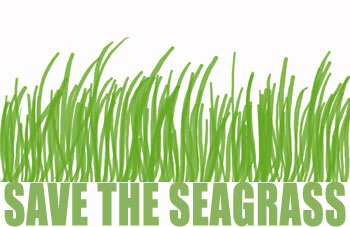
Save Seagrasses - Ilustration by Ishrath

SeaGrasses are marine flowering plants that live underwater, forming an important link in the eco-system. Seagrasses alter the flow of water, recycle the nutrients, impact the food chain of marine life systems and provide nurseries, shelter and food for a variety of underwater plants and animals. Their contribution to the maintenance and sustenance of aquatic life is immeasurable, as these delicate green structures support hundreds of other plants and animal, underwater.

Seagrasses are the ancient species that have adapted themselves to exist fully submerged in seawater. It is believed that 100 million years ago, seagrasses originated on land and later went on to adapt to underwater life. Seagrasses are the only flowering plants that have colonized the ocean floor since the time of the dinosaurs.

Their global composition ranges from 0.1 to 0.2% of the aquatic flora as it is restricted by its necessity to thrive on the shallow sea areas. Seagrasses are found in most parts of the world spanning about 60 species that live underwater and flourish in submerged conditions.

Seagrasses are closely related to the gingers and lilies rather than the grasses. They are active photosynthetic plants that require abundant sunlight and other nutrients for survival. The seagrass grows well in sunlit sea beds, where there is shelter from strong wind and water currents. The depth range of the meadow is determined by the availability of sunlight on the sea floor. They are particularly found in areas where there is not intense wave action or dry outs due to low tide. Seagrasses can grow at more than 32 meters depth. In clear water condition, they even grow at the depth of 65 meters.

The sea grass beds are one of the most beautiful sights in the world. Like the grass expanses on land, seagrasses grow in vast meadows under water. The long slender green leaves that reach up to the light above are a sight to behold. It is sheer beauty and to see such a marvel of nature submerged is indeed a soul warming experience. It is hard to believe that these grasses, slender and delicate, form a very important link in the eco-system.

Seagrass Sustains the Marine Ecosystem
Seagrasses, living along the coastal water of land, are essential to the underwater eco-system. From plants to animals, seagrasses are an answer to their existence. The leaves are a source of anchorage for other plants and share a symbiotic relationship. Some animals such as the sea-dog (Dugong), Sea Urchins, Turtles and some fish feed directly on the grass blades. Without the seagrasses, these animals cannot survive. Seagrasses are a safe haven for smaller species such as prawns and fish. They not only provide natural habitat to smaller marine species but also help keep that water clear by absorbing the coastal runoff.

Seagrasses have very dense root system comprising of rhizomes that not only help in effective nitrogen fixing but also helps bind the sea sediment and prevents sediment erosion. The seagrass are very efficient in carbon absorption and binding. It is estimated that seagrasses per square meter are capable of binding about 1000grams of carbon, every year. This amazing ability makes them 3-5 times more effective than near shore phytoplankton.

Seagrasses in India
It is estimated that seagrasses were abundant in the Asia-pacific region 45 million years ago. Today, India is home to more than fifteen species of seagrasses found in different coastal areas of Eastern, Southern and Western parts of India. Most of the species are found in healthy numbers along the Southeast coast (which is the Gulf of Mannar and the Palk Bay), coast of Tamil Nadu, and the sporadic islands of Lakshadweep and Andaman & Nicobar. The most important location for seagrasses in India is the Gulf of Mannar Biosphere Reserve, which is estimated to have more than 13 of its species.

The most common species of seagrasses found in India are:

  • Cymodocea rotundata
  • Cymodocea serrulata
  • Cymodocea
  • Thalassia hemprichii
  • Halodule uninervis
  • Halodule pinifolia
  • Halophila beccarii
  • Halophila ovata
  • Halophila ovalis

Seagrasses are known to flourish in coastal areas that have good salinity levels, clear waters, adequate sunlight, and minimal strong water currents. The coastal belt of India is favorable for the seagrasses as it provides the optimal conditions for the growth and survival of seagrasses.

Threat to Seagrasses in India
When it comes to global ecological crisis, little is known about one delicate link called seagrass that is silently marching towards extinction. Any damage to the region’s seagrass beds is a strong indicator of deteriorating ecological conditions in that area. The change in seagrass habitat signals an immediate deviation in the marine plant and animal life of that region.

Seagrasses survive in clear shallow seas and grow up to a certain level in the sunlit seabeds. With rising sea levels, the sea grasses face the threat of being relegated to deeper depths of the ocean that makes it impossible for these species to thrive. With ice caps melting, fresh water is being added to the seas, everyday, giving rise to the mean sea levels, which in turn is dissolving the salinity levels. These factors have an adverse impact on the seagrasses for which the sea levels and salinity levels are very important to survive and flourish. These delicate plants have been bearing the brunt of environmental damage since a long time.

Most marine biologists contend that there has been considerable amount of damage done to seagrasses in the last four decades. Some animal species face grave threat of extinction. With human pressure growing along the coasts of South-East Asia and the Caribbean, there is likely to be huge losses to the seagrass beds. This accelerated damage to seagrass groups is mostly due to climatic changes, global warming which in turn refers to changes in oceans salinity levels, shift in water quality, increase in sea surface temperatures, frequency of natural disasters, and more.

It is a known fact that there has been steady decline in the Sea-grass population around the world. It is estimated that around 30000 kilometers of sea grass has been lost in last ten years. The accelerated damage is due to man – mechanical destruction of the habitat and over-fishing.

The bigger threat to seagrass is not from the environment but from the humans. Mans need and greed is one of the biggest threat to these delicate sustainers of the marine ecosystem and the other eco systems surrounding it. Man has been generous in contributing to the endangerment of seagrasses by causing disturbance in the shallow seas. Coastal activities such as ports, harbours, construction, garbage dumps, urban pollution, industrial dumps, terrestrial erosion, coastal development, breakwaters, fish farming, aquaculture, eutrophication, siltation, dredging, anchoring, are taking heavy toll on the fragile plants. While they have taken centuries to adapt to the changes in their environment, it is yet to be soon how these grasses will adapt to the rapid and artificial changes in the seascape. Or rather will they survive this?

There any many associations that focuses on monitoring the seagrass levels and the rate of changes in their habitat. There is a significant amount of effort undertaken by global researchers to study and prevent the destruction of seagrasses. India still has a long was to go to employ such practices but is keenly following the environmentalists for saving the seagrass. A case in point is the recent Sethusamudram project.

SethuSamudram Project, India – Potential Damage to the Seagrass Beds
No other project in the world is so steeped in political, economical, ecological, and mythological significance, that extinction of seagrasses is of no consequence to any of the parties involved.

The SethuSamudram Ship Canal Project is an active proposal to construct a canal between India and Sri Lanka, to facilitate passage of sea-vessels. The Adams Bridge region is a rich biodiversity site, which lies in the path of the proposed canal. The proposed project threatens to destroy the fragile ecosystem – the flora and fauna of Gulf of Mannar Marine Biosphere. Not only seagrasses, but also fragile marine life such as coral reefs, fishes, and all types of flora and fauna of that region are facing a grave danger of extinction.

As part of the Sethusamudram project to make the Palk waters navigable, considerable amount of mechanical activity such as dredging is proposed. Dredging is an excavation activity that involves digging, collecting and clearing the waterways, mostly to keep it navigable. Usually carried on coastal areas, this activity adversely impacts the aquatic ecosystem. Dredging not only causes disturbance in the seabed, uprooting the fragile flora and fauna, but also causes turbidity in water and unnatural sedimentation at the bottom. The seagrasses, being default residents of the dredging site, end up facing harsh environmental conditions ranging from change in water depths, turbulence, sea bed composition, chemical imbalance, toxicants, and much more.

Associated with dredging is the added risk of siltation in which fine grain like particles settle on the sea-bed. Optimal amount of silt helps the seabeds but excessive deposition or accumulation of silt threatens the anchorage of seagrasses and other plants. Also, too much sediment on the seagrass root system can lead to root rot due to clogging.

Continuous development along the coastal areas by way of port and harbours development is resulting is accelerated and sustained damage to marine ecology along the coastal areas, including the seagrasses. While the effects of damage are not being felt instantly, there have been slow and continuous changes to the life form along the coastal areas, which in turn is affecting the life in the ocean. There is indeed no end to man’s quest for developing the land for economic and social reasons, very little thought is being paid to damage to crucial links of life’s sustenance. We are indeed taking great pride in tilting nature’s delicate balance.

Added to the climatic and mechanical onslaughts on seagrasses is cultivation of marine species. Fish Farming, Aquaculture and Mariculture are different types of cultivation of water organisms and animals under controlled conditions, and in this case, the marine environments. This leads to creation of unnatural sea system in the coastal areas, where sea grasses are found. Abnormal levels of fish waster, nutrients supply, mechanical operations, garbage, disrupt the balance environment wherein the seagrasses thrive.

When seawaters receive too many nutrients, it leads to growth of undesired vegetation that harms the natural ecosystem. This is called Eutrophication. Seagrasses are delicate sea plants that need the vital balance of salinity, nutrients, sunlight and oxygen. Eutrophication is a process by which too many nutrients are supplied to a particular aquatic region. This sudden increase in nutrients causes new types of vegetation such as phytoplankton, algae, seaweeds, etc., to grow. With this accelerated growth in vegetation, the amount of dissolved oxygen available to seagrasses reduces. This unnatural disruption in the eco-system causes reduction in oxygen that is required by the dependent animals. Due to increase in vegetation and in its decomposition, the water becomes unclear and unsuitable for seagrasses.

While studies on seagrasses are gaining ground in most parts of the world, the future is still bleak to these residents of Indian waters. Neither fully on land nor completely underwater, their twilight-like existence has left them vulnerable and threatened by many possibilities of extinction. Though ecologically classified as sensitive, seagrasses remain forgotten in the grand scheme of things. Seagrasses are almost on the threshold of extinction, given mans greed beyond need.

While we ruminate, argue, and write, these gentle seagrasses continue to sway in their battle of survival, midst the water tides. They seem to be praying for a better death.

(Image Credits: Green Seagrasses Illustration by Ishrath Humairah)

Filed Under: Uncategorized

Bishnois -The Sacred Environmentalists

April 2, 2008 by 44 Comments

One fine morning, India woke up to the news of famous Bollywood stars involved in killing of the Black Buck and the Chinkara. With this news, the nation not only came to know about the two unique endangered animals but also about the protagonists for nature – the Bishnois.

If not for the Bishnois and their reverence for nature, this incident would have never made it to the headlines. The nation took notice of this erstwhile peace loving tribal community that challenged the reigning stars and ensured that they were thrown behind the bars.

The Bishnois are considered as the first environmentalists of India. They are born nature lovers. They have, for centuries, married eco-conservation with their faith, making it one of the most ecologically relevant orders of today. Reverence for nature and all forms of life is what makes them a true ‘BISHNOI’.

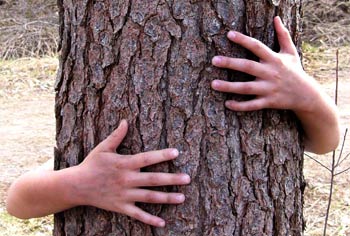
tree-hugging-bishnoi
Image Credits: ‘Tree Hugger’ by Bill Davenport

Bishnoism is said to have started in 1485AD by Saint Guru Jambheshwar in the Thar Desert of Rajasthan, India. Long before the world came to know about the environmental crises, Bishnois have been cognizant of man’s relationship with nature and the importance to maintain its delicate balance. It is remarkable that these issues were thought about, half a century ago by Bishnoi visionaries. No other religious order has given this level of importance to environment value, protection and care.

Not many people know that the concept of Tree Huggers and Tree-Hugging, have roots in the Bishnoi history. The famous ‘Chipko Movement’ was inspired by a true story of a brave lady called Amrita Devi Bishnoi who refused to let the kingsmen cut the trees. Her head was severed. Seeing their mother lay down her life for the trees, her daughters clung to them. Their heads were severed too. Agitated by the happenings, the neighboring village folk clung to the trees, as the massacre continued. More than 300 people were killed for non-obeisance and for trying to protect the trees. When the king came to know of this, he was ashamed of his mistake. He apologized to the Bishnoi community, ordered to stop felling the trees and hunting of wild animals in Bishnoi areas and punished those who transgressed his orders. This sacrifice not only inspired the “Chipco Andoloan” by Sunder Lal Bahuguna but also the Government of India in the form of “Amrita Devi Bishnoi Smrithi Paryavaran Award” for contributing to environment conservation.

The Bishnois are one of the first organized proponents of eco-conservation, wildlife protection, and green living. With their ideals steeped in basic 29 religious tenets, the Bishnois and Bishnoism are very relevant to our evolving world.

To unite people on a common platform, Guru Jambheswar Ji advised 29 principles to become a Bishnoi. The word ‘Bishnoi’ stands for BISH (which means 20) and NOI (mean 9) derived from these 29 principles out of which 6 principles are dedicated to environmental protection and compassion for all living beings.

Of the 6 tenets that focus on protecting nature, the two most profound ones are:

Jeev Daya Palani – Be compassionate to all living beings.

Runkh Lila Nahi Ghave – Do not cut green trees.

Though these rules have been made centuries back, they still hold good and are more than relevant to the environmental problems faced in today’s world.

Bishnoism is the most practical and do-able order that lays emphasis on protecting the gifts of God – the nature. Since the religion is based on love, peace, respect for life and non-violence, it proponents harmony amongst trees, animals and human beings – a perfect ecosystem.

The Bishnois are rightfully called the first environmentalists of India. They have given more to nature in comparison to what the entire country would have contributed so far. In spite of living in the arid desert regions for centuries they have been following the dictates of their religious principles. A cursory look at their lifestyle is a very humbling experience.

  • Bishnois do not cut green trees and are compassionate to all living beings.
  • The Bishnoi settlements are made from material gathered locally and most eco-friendly measures are taken to build their abode.
  • They do not fell trees. They only collect dead wood. Even a carpenter waits patiently for the tree to fall.
  • Deers, Black Bucks, Peacocks, Blue Bulls, Chinkaras, are some of the animals that you would find roaming around their settlements. Because of Bishnois and their commitment to protection of nature, many animals have survived this long. Nowhere else would one find a perfect marriage of all forms of flora and fauna.
  • Long before Rain Harvesting concept caught fire, to combat the severe drought and water shortage, the Bishnois build water storage tanks that can collect and store rain water. This water is not only for humans but animals too.
  • Bishnois oppose to their religious tradition of cremating the dead. To avoid wastage of firewood, they bury the deceased.
  • Though a religious sect, the Bishnois do not believe in unnecessary rituals, idol-worship, caste system, etc., but continually lay emphasis on compassion, love, and peace, thereby firming their foundation for love for Mother Nature.
  • To minimize the use of green trees, they use cow dung cakes as fuel for cooking.
  • One of their principle tenets “Amar Rakhave That” – means to provide shelter for abandoned animals so that they can live the rest of their life with dignity.

There are many more such humbling facts and practices of the Bishnoi way of life. We are forced to stop here and give it a serious thought. A tribal settlement, living in harsh conditions, struggling to make a living, would still want to protect and preserve the resources that could have been exploited as a key to their prosperity. The Bishnoi community is a standing testimony of fanatical fervor for life.

While India is trying hard to educate the masses on environmental protection and eco conservation, this small and modest community that has surpassed the biggest of economies by virtue of it simple approach to life.

The Bishnois do not tolerate destruction of flora and fauna by unnatural means. They are very protective of their surroundings and are known to be violent in course of its protection. There is a saying that if you are a hunter, the worst thing that can happen to be caught by a Bishnoi while on Shikhar. With law and order coming to force, the Bishnois are not sparing any threat to the environment. They have been fighting court cases, poachers, and any threat to the environment they cherish.

If not for the Bishnois, the Black Buck and Chinkara, which come under Section 9 of the Wildlife Protection Act, supposedly getting the highest degree of protection by the state, would have had vanished like other species,. Salman Khan or Mansur Ali Khan of Pataudi – the Bishnois spare nobody.

It is heart-warming to notice that the younger generation of Bishnois is slowly taking over the reigns of protecting the Earth in their own ways. We are optimistic that this new generation, armed with increased environmental consciousness and mass support for eco conservation will be successful in preserving the priceless treasures of this world.

Amen!

(Image Credits: ‘Tree Hugger’ by Bill Davenport)

Filed Under: Uncategorized

The Nearing – Spirit of the Forest

March 9, 2008 by 2 Comments

The voice:
That I heard so many years ago,
From the distant lakes,
Near the forests pure.

The voice:
Whispers in quickening breaths,
Beckoning me to quietness,
Calling the wild soul,
Knowing what I know not.

The voice:
Imperceptibly mine now,
Not an illusion,
Or like this world, a delusion,
It speaks through the leaves,
Rustling gently,
Loving truly.

I trust you, voice unknown,
Sharing tragic harmony,
This song of endless stillness,
Perpetual waking, yet asleep,
Your promises feed my dreams.
Deafening is the sound of creation,
Nothing but the echo lingers,
This mind, a trap,
The heart, a mouse,
Phantoms chase, this pitiless shroud.

The voice,
Ah! It is nearing,
Touching,
Feeling,
Stroking,
Listening,
Healing.

A raven takes flight;

The voice is nearing.

Filed Under: Uncategorized

  • « Go to Previous Page
  • Page 1
  • Interim pages omitted …
  • Page 5
  • Page 6
  • Page 7
  • Page 8
  • Page 9
  • Interim pages omitted …
  • Page 11
  • Go to Next Page »

Primary Sidebar

Recent Posts

  • Plastic – The New God
  • Plastic Bottle (a premonition or a prophecy?)
  • Energy Waste – Burning up our future!
  • Everyday is Earth Day
  • Fight Wildlife Poaching in Sumatra – Time to vote for Trevor Frost

Recent Comments

  1. divya on Revival of Traditional and Eco-Friendly Hand Block Printing in Bagru, Rajasthan
  2. Subhadra on Revival of Traditional and Eco-Friendly Hand Block Printing in Bagru, Rajasthan
  3. Chaiti Patel on Revival of Traditional and Eco-Friendly Hand Block Printing in Bagru, Rajasthan
  4. RITIKA GUNAWAT on Bishnois -The Sacred Environmentalists
  5. nishat on Revival of Traditional and Eco-Friendly Hand Block Printing in Bagru, Rajasthan

Archives

  • July 2011
  • June 2011
  • March 2011
  • November 2010
  • October 2010
  • July 2010
  • June 2010
  • April 2010
  • January 2010
  • December 2009
  • August 2009
  • July 2009
  • June 2009
  • May 2009
  • February 2009
  • January 2009
  • November 2008
  • September 2008
  • August 2008
  • July 2008
  • June 2008
  • April 2008
  • March 2008
  • February 2008
  • January 2008
  • December 2007
  • November 2007

Categories

  • No categories

Design

With an emphasis on typography, white space, and mobile-optimized design, your website will look absolutely breathtaking.

Learn more about design.

Content

Our team will teach you the art of writing audience-focused content that will help you achieve the success you truly deserve.

Learn more about content.

Copyright © 2026 · Genesis Sample on Genesis Framework · WordPress · Log in