- An adult rhinoceros in Africa, during his late night walk, falls in a perfectly dug pit lined with spikes to die a slow and painful death. Another rhino in India touches a cable wire that sends 11 kilowatts jolt through its massive body, electrocuting it. Their horns are pulled out. Price of each horn: US$450,000
- Deep inside a tiger sanctuary, a carcass is laced with deadly poison as bait for the unsuspecting tiger. The tiger eats the dead meat only to die a painful and horrific death. Price: On Request – Because every little body part of tiger is shamefully high to quote.
- Orangutan babies are one of the most wanted pets. To catch a baby orangutan, its mother is killed for she would fiercely fight for the safety of its child. Price of a baby orangutan, apart from the price that its mother paid with her life: $45,000
- An unsuspecting Slow Loris is trapped. Its canine teeth are brutally extracted using pliers, without any anesthetic, to prevent it from biting. It is joined by hundreds of others as a major consignment. It endures this painful hell and infection only to be sold for $.4,500
- Pregnant mothers are killed to get the unborn fetal lamb. The fetal pelt is made into exquisite fur. A coat made of broadtail fur of 30 fetal lambs is not for everyone – but can be found in the high end fashion stores fetching anywhere between $13,000 – $25,000
The instances of this gory trade are varied many and more horrific than the other.
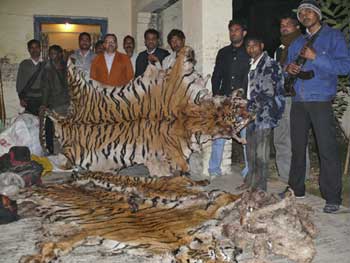
Welcome to the world of illegal wildlife trade – a commercial black market of wildlife parts, products and the trade of animals – dead or alive. Everyday, thousands of animals from different parts of the world are captured from their natural habitat, the wild and are sold illegally – reaching thousands of organisations, stores, homes and individuals.
After narcotics, arms and ammunition trade comes this horrible business of wildlife trade which threatens to eradicate life from earth. This black market of wildlife is valued as the third largest illegal trade in the world and one of the most profitable crimes of today.
The numbers and dollar figures of illegal wildlife trade are baffling. Around $10 million worth of illegal wildlife is seized at US borders every year, but that is only the indicative tip of the iceberg. With over USD 20 billion estimated in this trade, it is no surprise that this trade can only get hotter with time. The pace at which wild plant and animal species are becoming endangered and possibly extinct, its value can only go up.
The Emerging Black Market of Wildlife
China has always been the biggest consumer of the wildlife produce, placing itself on the first spot. This comes as no surprise as traditional Chinese medicine comprise of the natural flora and fauna in its various forms. Age old practices and continued blind belief, without control and concern for the environment has stripped many regions of their bio-diverse wealth.
Apart from contributing to global warming and reducing the environment to bits, USA accounts for an estimated 70% of the world’s illegal wildlife trade. The United States of America is the emerging biggest consumer and grandest market for illegal wildlife trade and wildlife parts trafficking. As interest in alternative medicine is witnessing a new sunrise in the west, it is spelling the darkest dawn for the virgin forests and wildlife of East.
The West European countries and Far East form the third largest chunk of buyers while Africa, Central Asia, and the Caribbean are emerging as the largest sellers of illegal wildlife products.
Wildlife trafficking has grown into such a lucrative multibillion dollar business that it testifies the fact that there is not end to man wants, greed and insensitivity. The trade has spread its ugly tentacles in the all sections of the society and continues to grow each day. If left unchecked, this will soon spell the end of several ecosystems on which man depends. While we write this and as you read, we do not know which child of nature is being trapped and killed.
Illegal Wildlife Trade and Trafficking on the World Wide Web – The Internet
With the Internet, illegal cross border wildlife trade has now got a new lease of life. The technological boon has further fueled this trade by removing the cross cultural and cross border limitations.
Clients now interact through the web, place orders, pay illegally under guise of other products, imports and much more, at the click of a button. The new age wildlife traders are no longer the tribal or the poor villagers who are not aware of the consequences of their profession. They are media savvy, computer literate, money-wise and strategic.
Voices of concern are high and dry. B K Sharma, Commissioner of Police, Bhubaneswar, Cuttack, says, ”The buyer and the seller- their identities are protected. And the second one is the transaction speed. Somebody sitting in Tokyo can sell a product to a buyer in Los Angeles by a click of the mouse.
Peter Pueschel, Director, IFAW (Wild Trade Programme), explains: ”Our experience shows that many criminals easily falsify these documents and nobody can assess at the copy on the Internet whether it’s true or it’s false.”
Also, these syndicates are well connected, politically powerful and have the financial clout to pull off their trade without being caught.
Lack of education is also leading to this trade. Most people who buy the products on the internet are not aware that the content of the product is illegal and is infringing upon some endangered product and its law in some region.
From exotic pets, animal body parts, skin, everything is out for grabs – at a high price, making the trade attractive and exciting to indulge in.
A Sample Catalogue and Rate Card of Wildlife Products
Here is a sample of products up for sale on the World Wide Web – a compilation from different sources on the dollar value of the priceless treasures.
- Siberian Tiger: $70,000
- Sea Turtle Skin Boots: $480
- Lion: Price on request
- Tibetan Antelopes Woven Shawl: $30,000
- Gorilla (in London): 4,500 pound
- Stuffed Polar Bear: $US 11,000
- Orangutan can fetch US$ 45,000
- Tiger Skin: $50,000
- Black Cockatoo species: AUD$30000
- Rhino Horn: Upto $US 25,000 per 500 grams
- Tiger Parts (Tiger Penis, Claws, Bones, Skin)
- Peregrine falcon in Taxidermy: 170 pounds
- Wood Owl (to use in voodoo): Rs. 1.5 Lakhs
- Rare Turtles (For Live Pet Trade and Meat)
- Bottle of Tiger Bones Wine: $100
- Leopards (Skin and Claws)
- Otter (Skin)
- Pangolin (scales for Medicine and Meat)
- Snakes (for meat, venom trade and skins)
- Mongoose (for hair for Brushes)
- Bear (for its Gall Bladder, Live Cub Trade for Paw Soup, Claws)
- Crocodiles (for pets, meat, and skin)
- Rare birds – Live and stuffed
- Elephant Tusks, Giant Ivories, and decorative items
- Rhino Footstools
- Stuffed Polar Bears
- Dried seahorse curios
- Ramin pool cues
- Powdered tiger humorous bone: Over $1700/ pound.
- Sturgeon caviar: $880 a pound (0.45kg) and Paddlefish caviar $373 a pound
The above list – of the dead, extinct, endangered and those unfortunately alive, presents a gory picture of life on sale. And this is still just the tip of the iceberg.
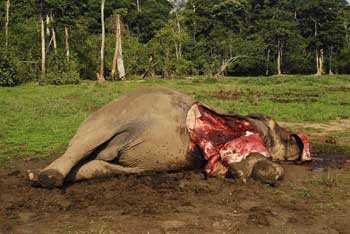
Wildlife Trade Linked with Organized Crime
One of the most disturbing aspects of the illegal wildlife trade is its now obvious links with organized crime and terrorism. Wary of the strict policing for drugs and arms, some terrorist outfits are now turning to wildlife trade as an attractive cash cow to organized crime.
While no substantial evidence can be presented to validate this, there is no denial that these illegal activities are linked with each other – often for symbiotic reasons and gain.
Wildlife trade brings in money and funds which is the lifeblood for operating an illegal outfit. There have been many studies and investigations with regard to wildlife trade and its link with other illegal operations and the findings have been disturbing. United Nations and Interpol had found that “some insurgent groups and possibly terrorist groups” are involved in illegal poaching for profit in several areas of Asia and Africa.
Bittu Sehegal, Editor, Sanctuary Magazine, voices his concern saying, ”The key issue for me right now is the trade in wildlife, the trade in narcotics, and the trade in arms. There is a revolving door. To pay for wildlife, they could be using drugs. To pay for drugs, they could be using wildlife. It could be tiger bone, it could be skins, it could be anything.”
Wildlife Extinction Leads to Risk of Global Health Problems for Humans
One of the most impertinent problems of extinction of wildlife species is the destruction of barriers that use to contain many viruses and diseases within that animal species. These animals prevented the jumping or crossover of viruses and from reaching humans.
With species getting wiped out faster that they can sustain, the risk of virus that cause SARS (Severe Acute Respiratory Syndrome), Avian Flu, Ebola Virus, TB (Tuberculosis), etc is looming large over mankind. This is a proof of how man tilts the nature’s delicate balance and causes calamities to occur.
Wildlife Trafficking and Trade in India
India prizes itself in its natural wealth and bio diversity. The number of plants and animal species contained in our national boundary are innumerable and priceless. Boasting of varied climes, abundant and exquisite flora and fauna makes India an ideal destination for nature lovers, tourism and now – the illegal traders of wildlife.
The national pride of being home to natures bounties is no more than a feel good factor – a wishful thinking.
- India is one of the leading suppliers of the most coveted wildlife products. Tigers, rhinos, birds, plants – you name it, we have it. Or rather had it.
- India is strategically placed between the supplying and buying countries. It has the twin advantage of abetting this trade – and it does it pretty well.
- India is still plagued with illiteracy, poverty and millions still live under the poverty line. This only pushes the need for quick money, without giving a second thought to its consequences.
- India lives in the mindset that views animals as resources that should be used, when in need. To protect animals requires a sea change in the way animals are seen.
- India has wildlife laws that are very stringent, but it does not have means to enforce the same. This is a country where the forest guards have batons and sticks while the poachers are armed with guns.
- India is still corrupt. The money is spent on good causes but mostly reaches the wrong pockets.
- Indians do not know that wildlife trespassing, trade and trafficking instances are criminal activities and that it should be reported. Ignorance, coupled with insensitivity, rules.
- Strange but true, the protectors of wildlife and the custodians of law are not familiar with the wildlife laws
Poaching – one of most horrid faces of wildlife trade is actively practiced in India. Its national – the Tiger is no longer safe in its jungle haven. The famed sanctuaries of Sariska, Ranthambore, Corbett and other national parks which were once safe for wild animals, have become their graveyards. With forests being pushed out of boundaries, wild animals have been exposed to many risks that now have led to their extinction and endangerment. While the elite take pride in sending their pets to a dog spa and the poor rely on the beasts of burden, the tigers, rhinos, and other animals are nowhere on anyone’s radar except the poachers.
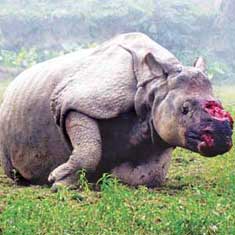
India has many untold tales of wildlife depletion, species endangerment, brink of extinction, and more. It is heart-wrenching to see how nature is being stripped away without a cause or concern to life and tomorrow. We can never be more ashamed of our existence as we witness the modus operandi of this trade that mercilessly traps, cuts, chops, burns, smashes, poaches, extracts, slaughters, marauds these helpless children of the wild – for money. Live or dead, the wild animals have no dignity in life and death.
There are a handful of wildlife activists fighting tooth and nail to protect what is left. Their intentions, efforts, agonies, frustrations, disappointments, are an indication of the rigidity and impermeability of the existing system. India is too seeped in bureaucracy, red-tape, corruption, and under-the-table deals, that sensitizing people to the grievances of the wild is almost an impossible task.
If unchecked, this trade has the potential to grow even further because it involves plants and animals, which cannot speak and cry out the injustice. Maybe this is why it is more easy and profitable to plunder this silent wealth.
Buyers and Customers of Wildlife Trade and Trafficking
While you may not be aware – you could be one of the direct or indirect buyers of wildlife trade.
- An avid lover of butterflies may not know about the origin of the framed butterfly souvenirs or that they may belong to the endangered list and also that they are in turn fuelling the demand for wild life souvenirs.
- Pet lovers may not be aware of the needs of a baby sloth that was sold to them, only after killing their mother and that it made its way through the illegal dungeons of the wildlife trade.
- Media images celebrating luxury dining with champagne and caviar can never make a person give a second thought to how the food reached his table.
- An old woman who loves and keeps birds would never be able to comprehend the gravity of not knowing that they belong to the endangered list or have been trapped, caught and kept in a brutal manner.
- Many of the small time hunters and tribals who trap the birds and animals for small fee are not aware of the ugly side of their livelihood.
- Many tourists and customers do not know that they are buying illegal products during their sojourns and from the internet.
And on the other side of the spectrum are the knowledgeable individuals who know what exactly they are purchasing but don’t seem to care about the surrounding fuss.
- Big fashion houses and high end boutiques such as Prada, Gucci, Ralph Lauren, Dolce & Gabbana, Christian Dior, and Valentino, cater to the elite making no bones about using fur in their designs.
- While it is cool to take children for dolphin shows and watch them perform, little would one think about the starved dolphins who perform in order to be fed. Only to be kept hungry for the next show.
- Alligator skin shoes, snake-skin purses, fox fur coats, exclusive leather upholstery, and lot more, are nothing more than elite fashion statements with snob value.
- While exclusivity and rarity are celebrated concepts of the rich – they are the most dangerous contributors to this trade. Animal skin rugs, horn souvenirs, tiger teeth lockets, carved ivory antiques, are still prized in the art connoisseurs market. The demand for these collectors’ items does not seem to diminish as it is considered worth investing in and is symbolic of lifestyle they aspire for.
Ignorance or carelessness – people from many strata of society need to be made aware, educated and sensitized to the pain of the living to the perils of trading with life and wildlife parts.
India’s Stance on Wildlife Trade and Illegal Trafficking
India has always been struggling to save it natural wealth. There are many individuals, organisations and Government bodies that realize and champion the cause of the wildlife. Efforts have been on since many decades to eradicate and contain the illegal trade menace. Some noteworthy causes are:
- Coalition Against Wildlife Trafficking (CAWT): India and USA, in cooperation with several other governments and organizations, have jointly entered into an agreement to curb and contain the wildlife trade. The objective of this coalition is to curb the trade, enhance anti-trafficking law enforcement, rescuing wild animals and returning them to their native habitats, etc.
- TRAFFIC, the wildlife trade monitoring network, works to ensure that trade in wild plants and animals is not a threat to the conservation of nature. (http://www.traffic.org)
- India is a member of the United Nation’s Convention of International Trade in Endangered Species of Wild Fauna and Flora (CITES) which has 170 member countries/ parties to address the international trade in wildlife. About 5,000 species of animals and 28,000 species of plants are protected by CITES against over-exploitation through international trade. The XV Conference of the Parties of CITES is scheduled to be held in Doha, Qatar in June 2009. (http://www.cites.org)
There are many more bodies, associations, groups and individuals who are, in their own ways, braving all odds to address the need of the hour – Preserving Life to Preserve the Planet.
We need to change
Issues connected to wildlife and nature is everyone’s priority. The onus is not only on the NGOs and the Government to act upon, but also includes each one of us.
Wildlife extinction is so connected with all eco-systems that a slight tilt in its balance causes unimaginable disturbances in our normal life. Yet, it may not dawn upon us that we caused it to happen. We are the direct and indirect consumers of life. The change needs to come within us.
When we try and look around for instances of wildlife trade, we would be astonished to see so many rare plants and animals are out in the market for sale. What should we do then?
- We must understand and curb the ways in which we are contributing to this menace. It takes a lot of undoing and unlearning, but we should.
- Stop buying wildlife and wildlife parts. If there are no buyers, sellers will not exist. When there are no sellers, hunters and poachers will be unheard of.
- We must extend our support to the individuals and organisations who champion the cause of the protecting the wildlife. We cannot treat it as no-body’s business. Loss of wildlife is our cumulative loss.
- Education is the Key. We must inspire and educate people as much as we can. This is the need of the hour. As long as there is real education, there is hope.
- We must report any instance of illegal trade that we come across.
- We must sensitize our children to wildlife and tell them of the damage we can cause because of carelessness.
Moving forward, we all have a lot of responsibility on our shoulders. Our wildlife and ecosystems are unimaginably delicate. A small unintentional damage can spell disaster to its fragile linkages. We must realize that these ecosystems have sustained mankind for so long. And now, these ecosystems need to be preserved to help life sustain on this planet.
Today we may not realize the impact of what we lose everyday. The perils of wildlife trade will not be immediately obvious to all. As we go along in time, we will find our existence challenged and daily life increasingly strained. We shall find birds migrating during wrong seasons and giving birth on wrong calendar months only to find their offspring’s dead due to harsh climate. Water will become scarce and nations will fight over it. Food will no longer be in the form we relish and enjoy. New incurable diseases of mind and body will spring up from nowhere. As we realize the future we are arriving at, it is quite undesirable, already.
It seems highly farfetched that wildlife trade can determine the course of future and ensure life on planet earth. But it is true. We now stand at a critical point in history of time where we determine how the future will be for ourselves and for our children.
The Earth has always provided for us. It is our turn to give it back – the protection, care, healing, nourishment and love. We are the new custodians of our Earth. This is our sacred pact with life.